Email Authentication Blog
Practical guides, troubleshooting tips, and insights on DMARC, SPF, DKIM, and email deliverability.
All Articles

RFC 9989: The New DMARC Standard, Explained
DMARC is now an Internet Standard. RFC 9989 obsoletes RFC 7489: a DNS Tree Walk replaces the PSL, the pct tag is removed, and more. Here's what changed.

Pacific Debt: p=none to p=quarantine in 90 Days
How Pacific Debt Relief moved from 4 years stuck at p=none to active DMARC enforcement in 90 days, and caught a live O365 spoofing attempt along the way.
How to Set Up DMARC for Salesforce
Step-by-step guide to configuring SPF, DKIM, and DMARC for Salesforce email sends. Includes DNS records, Email Relay, and troubleshooting.

MSP Guide: Adding DMARC Services to Your Portfolio
How MSPs can offer DMARC monitoring and enforcement as a recurring revenue service using Verkh's partner program.

State of Email Authentication: Q1 2026 Report
Quarterly analysis of DMARC adoption rates, enforcement trends, and email authentication statistics across industries for Q1 2026.
How to Set Up DMARC for Klaviyo
Step-by-step guide to configuring SPF, DKIM, and DMARC for Klaviyo email marketing. Includes DNS records and troubleshooting.
DMARC for Financial Services Compliance
Email authentication requirements for banks, credit unions, and fintech. How DMARC enforcement meets FFIEC, PCI DSS 4.0, and OCC expectations.
The Real Cost of Email Spoofing
Quantify the financial impact of email impersonation and build a business case for DMARC enforcement. Includes an ROI framework.
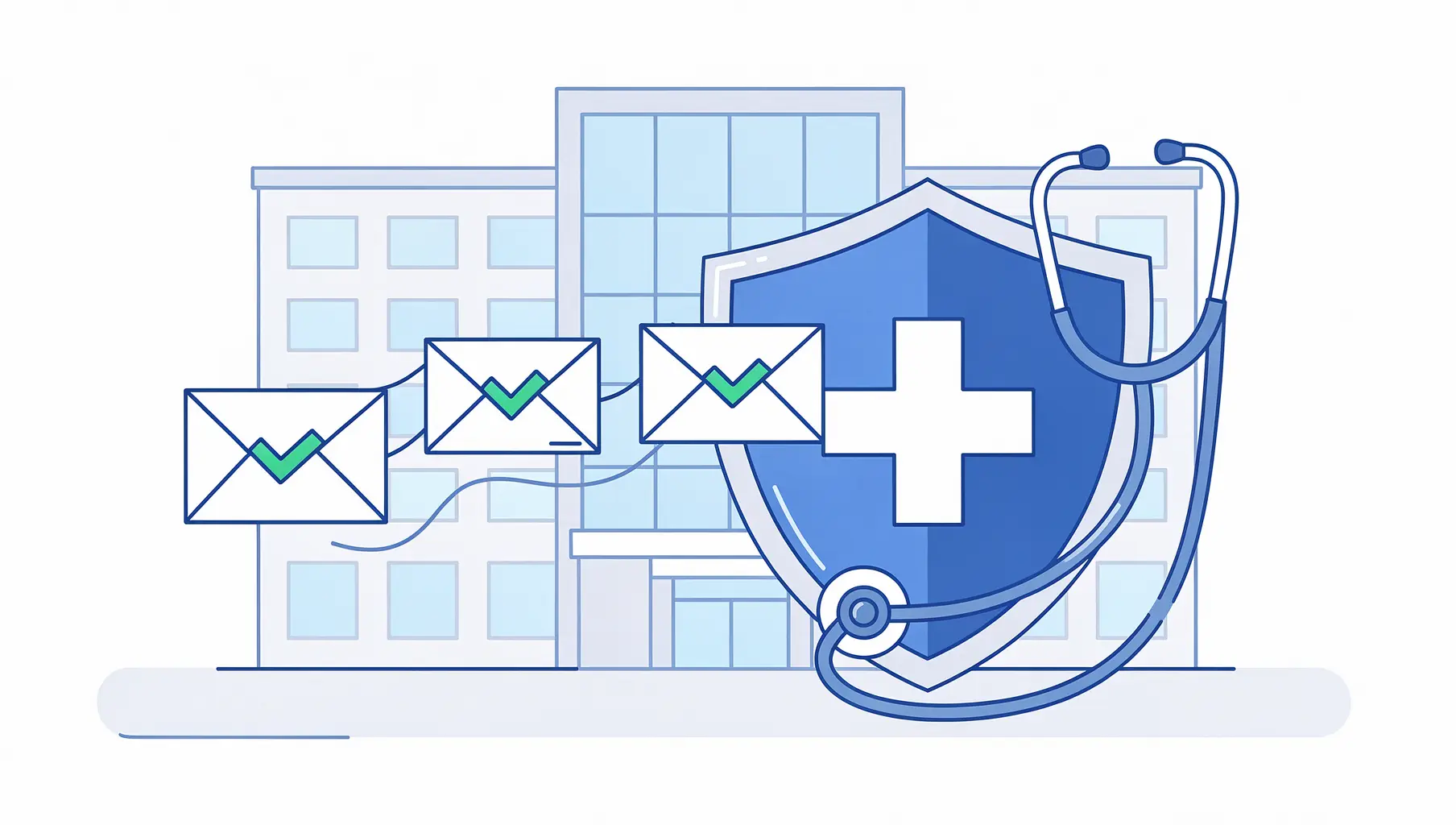
DMARC for Healthcare: HIPAA Compliance
How healthcare organizations can implement DMARC while meeting HIPAA requirements. Covers the Security Rule, vendor coordination, and the path to enforcement.

DMARC Record Not Found: Causes and How to Fix It
Fix 'no DMARC record found' errors. Covers DNS issues, syntax errors, propagation delays, and external domain permissions.
BIMI FAQ: Brand Logos in Email Inboxes
Answers to common BIMI questions: VMC certificates, SVG requirements, email client support, costs, and troubleshooting.
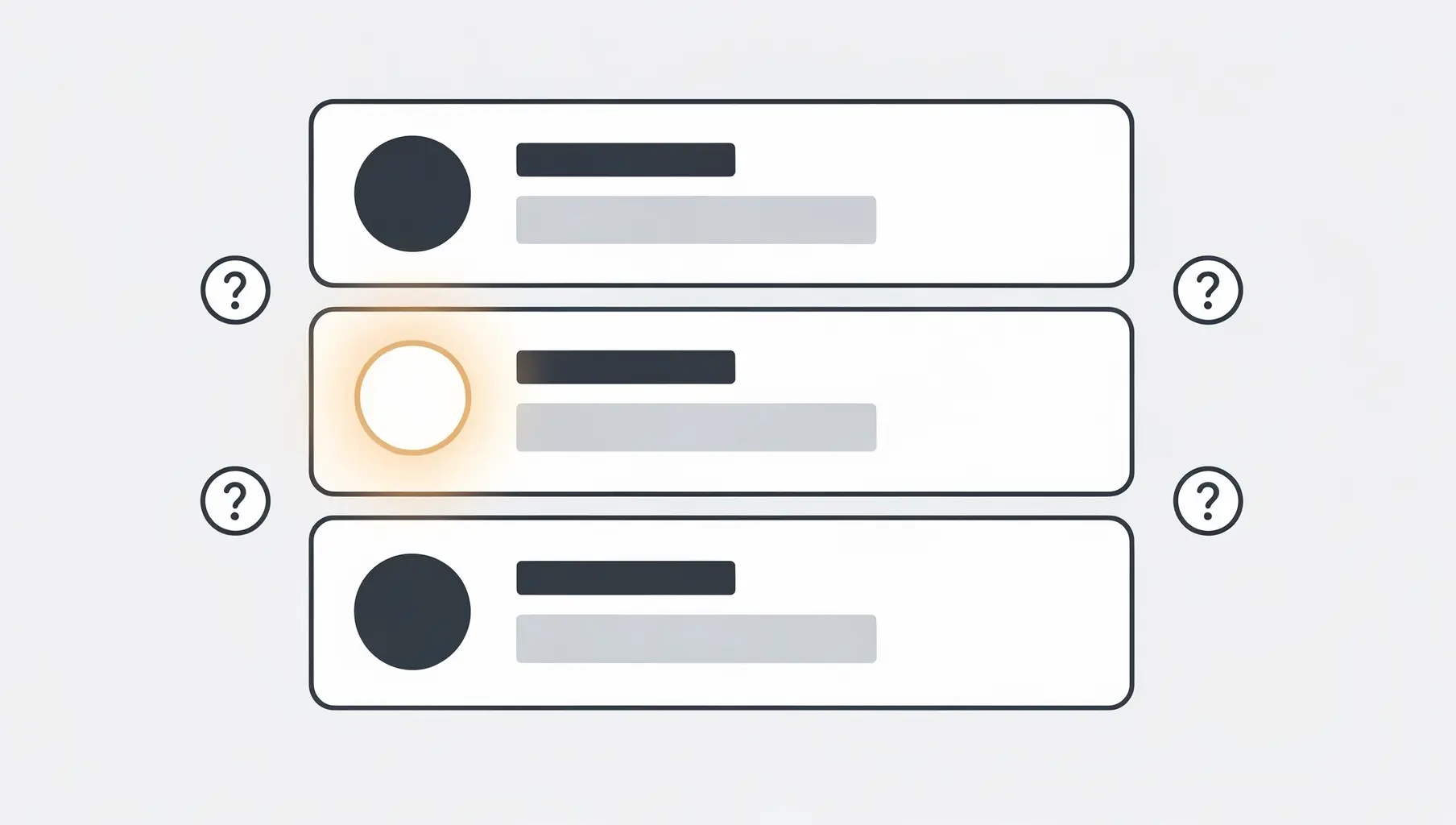
Why You Need DMARC Enforcement Before BIMI Will Work
BIMI requires DMARC at p=quarantine or p=reject. Learn why and how to reach enforcement to display your logo in email.
How to Authenticate Email and Reach the Inbox
A practical guide to setting up SPF, DKIM, and DMARC so your emails actually get delivered. No fluff, just the steps that matter.
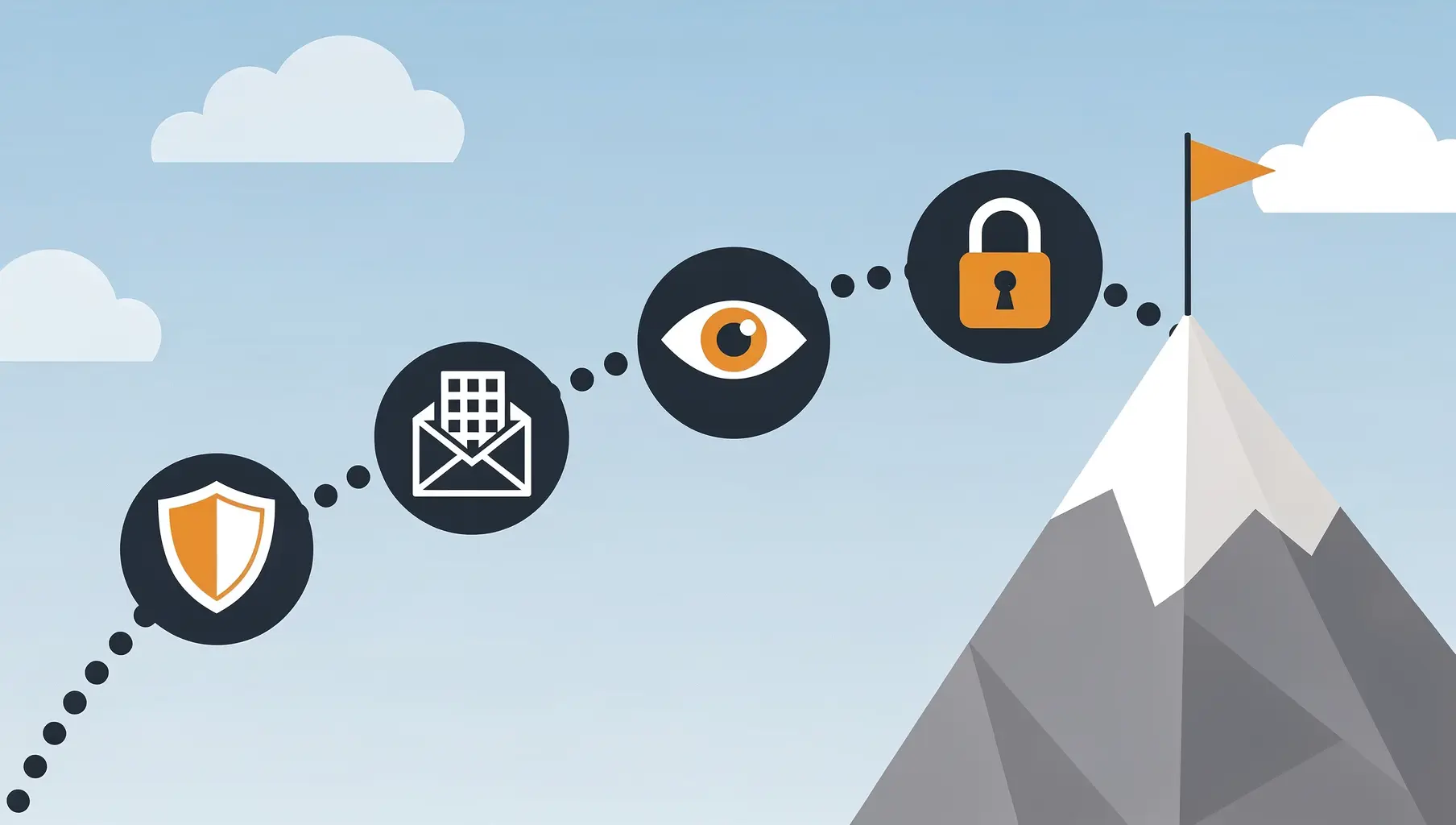
5 Key Benefits of Email Authentication
Why SPF, DKIM, and DMARC matter for security, deliverability, and brand protection. A practical guide for businesses of all sizes.
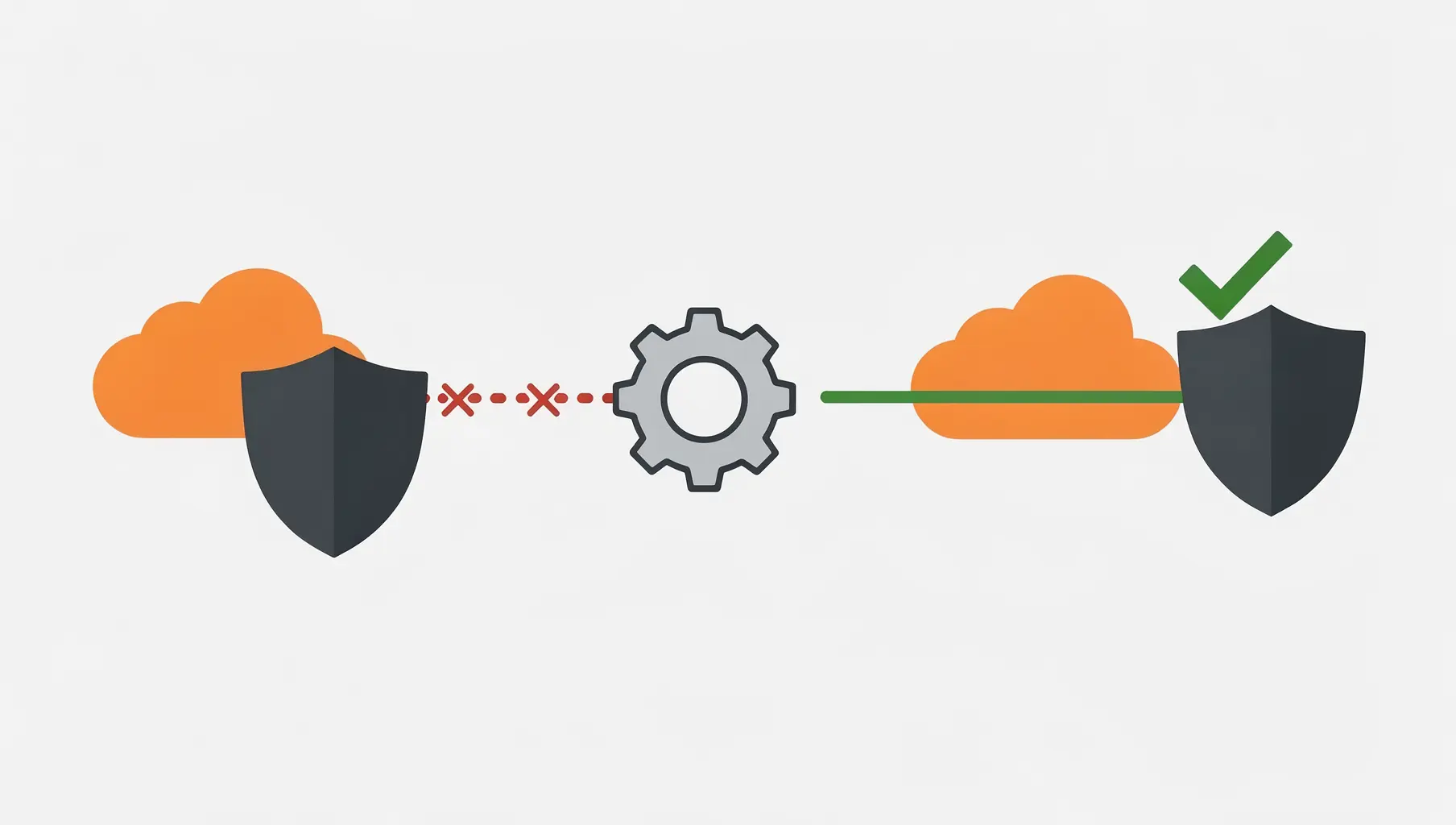
Why Cloudflare Says Your DMARC Record is Missing
Your DMARC record exists but Cloudflare's Security Center says it's missing. Here's what's happening and how to verify your setup.
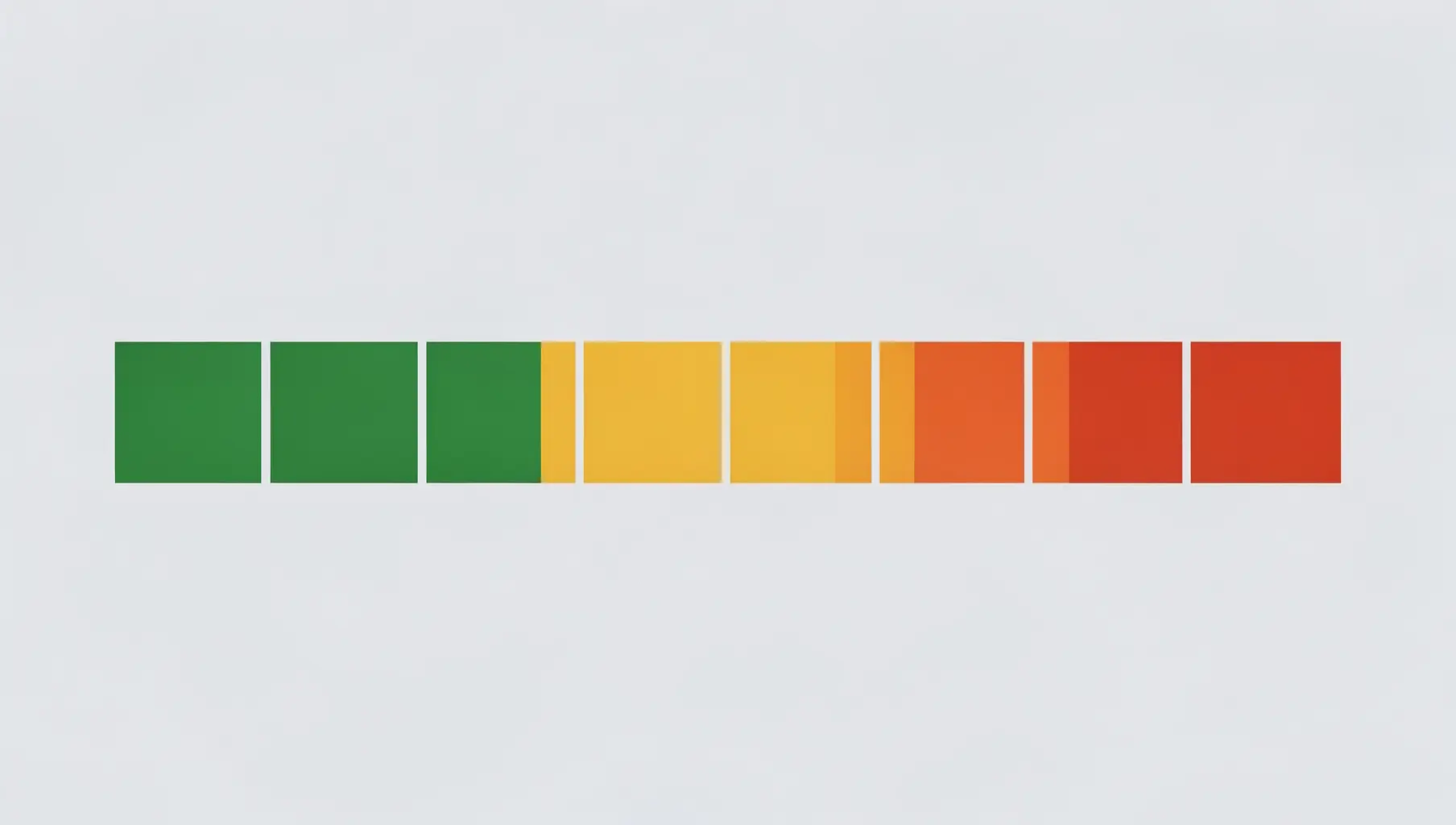
The SPF 10 DNS Lookup Limit Explained
SPF records are limited to 10 DNS lookups. Learn why this limit exists, how to check your lookup count, and how to fix SPF permerror when you exceed it.
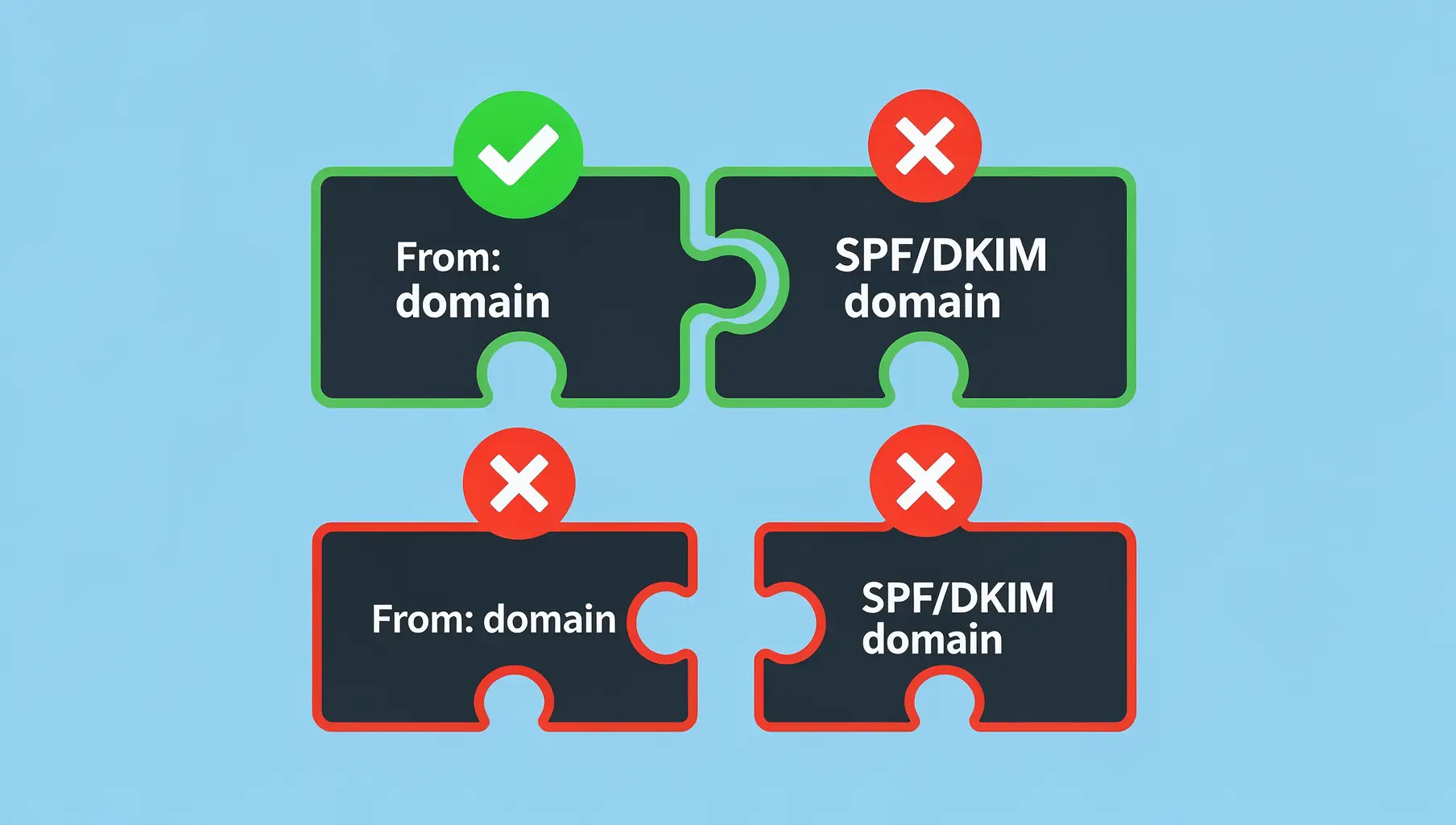
DMARC Alignment Explained Simply
DMARC alignment determines whether SPF and DKIM results count. Learn relaxed vs strict alignment and when each matters.

p=none vs p=quarantine vs p=reject: Which to Use
The three DMARC policies control what happens to failing email. Learn when to use each and how to safely progress to enforcement.

Why 95% of Domains Never Reach DMARC Enforcement
80% of domains with DMARC never reach enforcement. Here is why they stall at p=none, what data triggers an advance, and how to break out of monitoring mode.
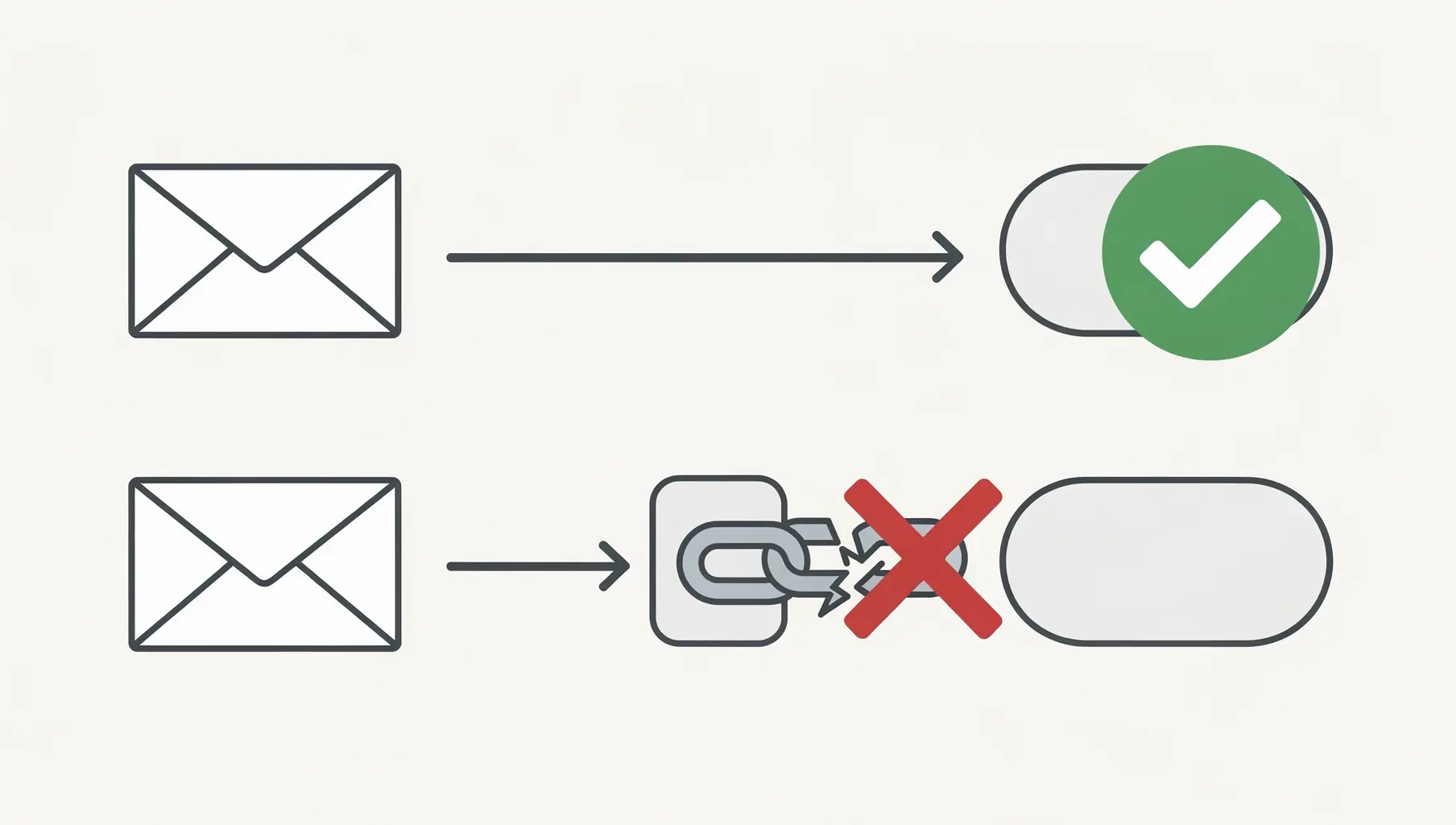
Why Email Forwarding Breaks DMARC
Email forwarding is the most common cause of legitimate DMARC failures. Learn why it happens and how to handle it.
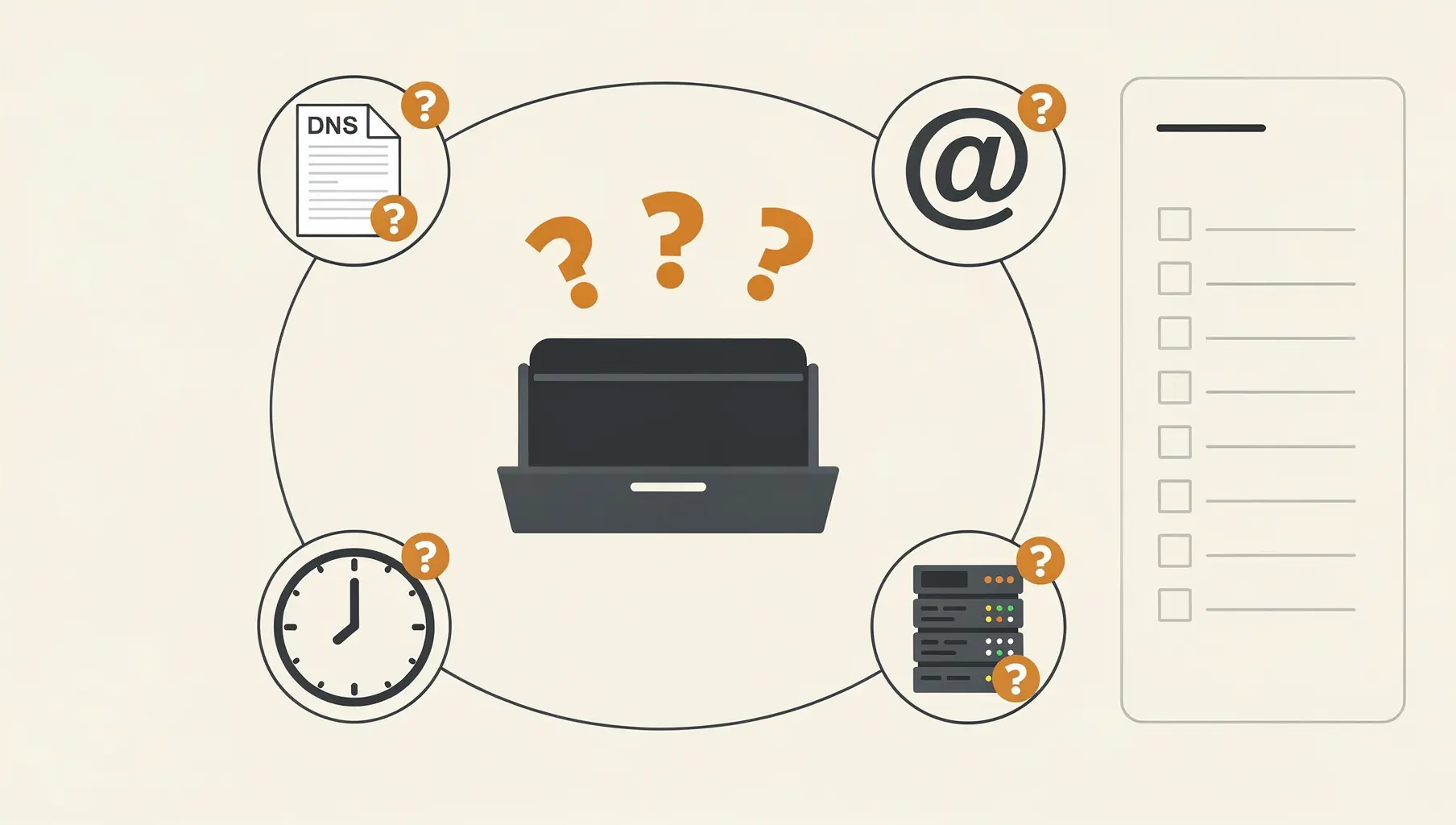
Why Am I Not Receiving DMARC Reports?
Set up DMARC but no reports are arriving? Here are the most common reasons and how to fix them, from DNS propagation delays to RUA configuration issues.

The Hidden Cost of Staying at p=none
What weak email authentication is actually costing your business — phishing risk, brand damage, deliverability hits, and the deferred cost of staying at p=none.
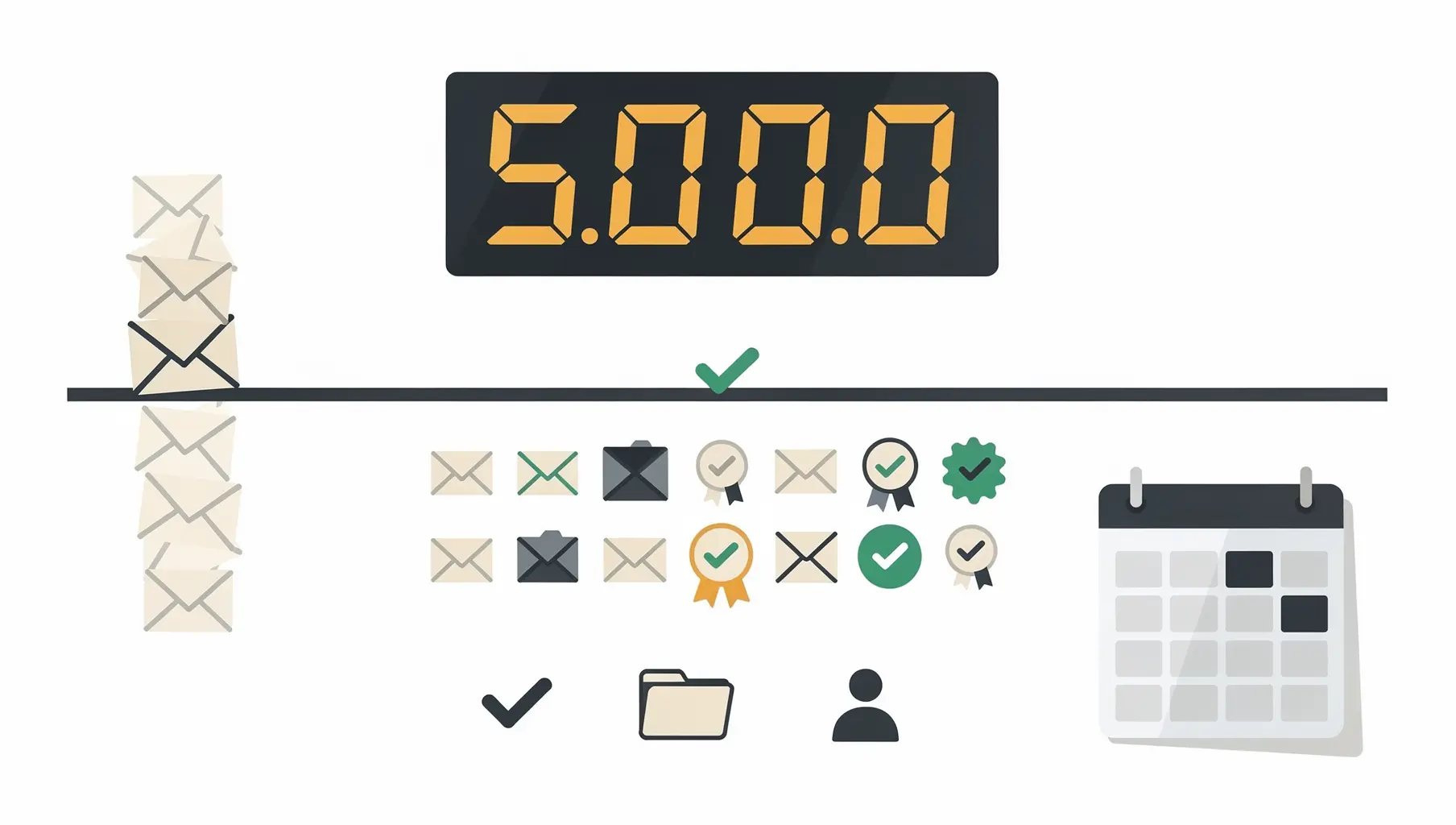
What Counts as a Bulk Sender? The 5,000 Email Rule
Google and Yahoo require DMARC for bulk senders. Learn what counts toward the 5,000 threshold and what happens if you exceed it.
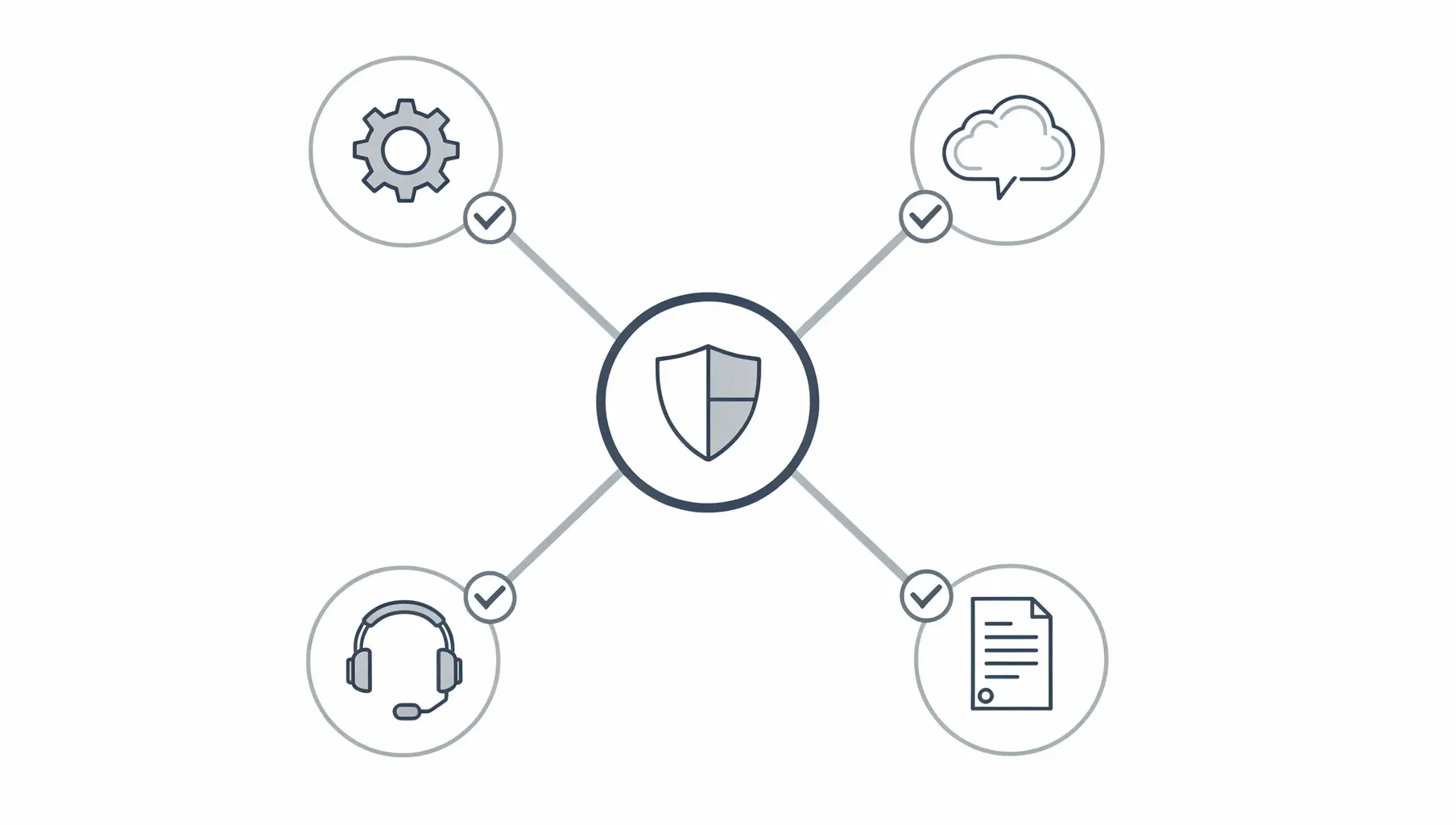
Third-Party Senders and DMARC: The Complete Guide
ESPs, CRMs, and marketing platforms send as your domain. Learn how to configure DMARC for third-party senders properly.
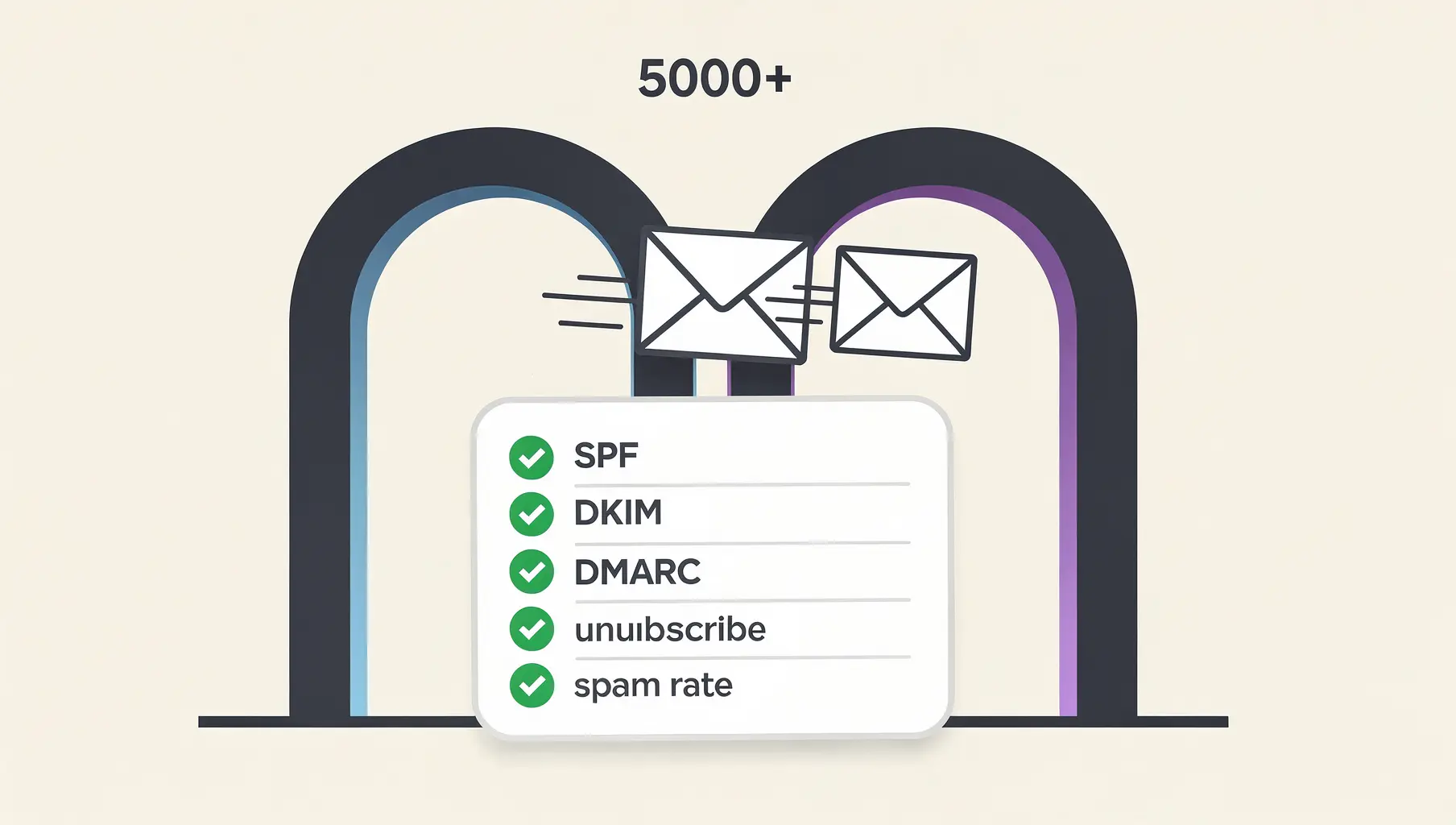
Google & Yahoo Bulk Sender Rules 2026
Google and Yahoo now require SPF, DKIM, and DMARC for bulk senders. Here's what the requirements actually mean, how enforcement works, and what to do about it.

How to Ask Your ESP to Fix DKIM (With Templates)
Getting ESP support to help with DKIM is frustrating. Here's how to communicate clearly and get faster resolution.
What Does SPF Permerror Mean? (And How to Fix It)
SPF permerror means your record has a permanent error. Learn the common causes—syntax errors, too many lookups—and fixes.

SPF Softfail vs Hardfail: Which Should You Use?
~all (softfail) vs -all (hardfail) determines how strictly receivers treat SPF failures. Learn which to use and when to switch from softfail to hardfail.

Can I Have Two SPF Records? (No, and Here's Why)
Multiple SPF records cause authentication failures. Learn why, how to check for duplicates, and how to merge them correctly.
How to Flatten Your SPF Record (And When You Should)
SPF flattening replaces includes with IPs to avoid the 10 lookup limit. Learn how it works and whether it's right for you.
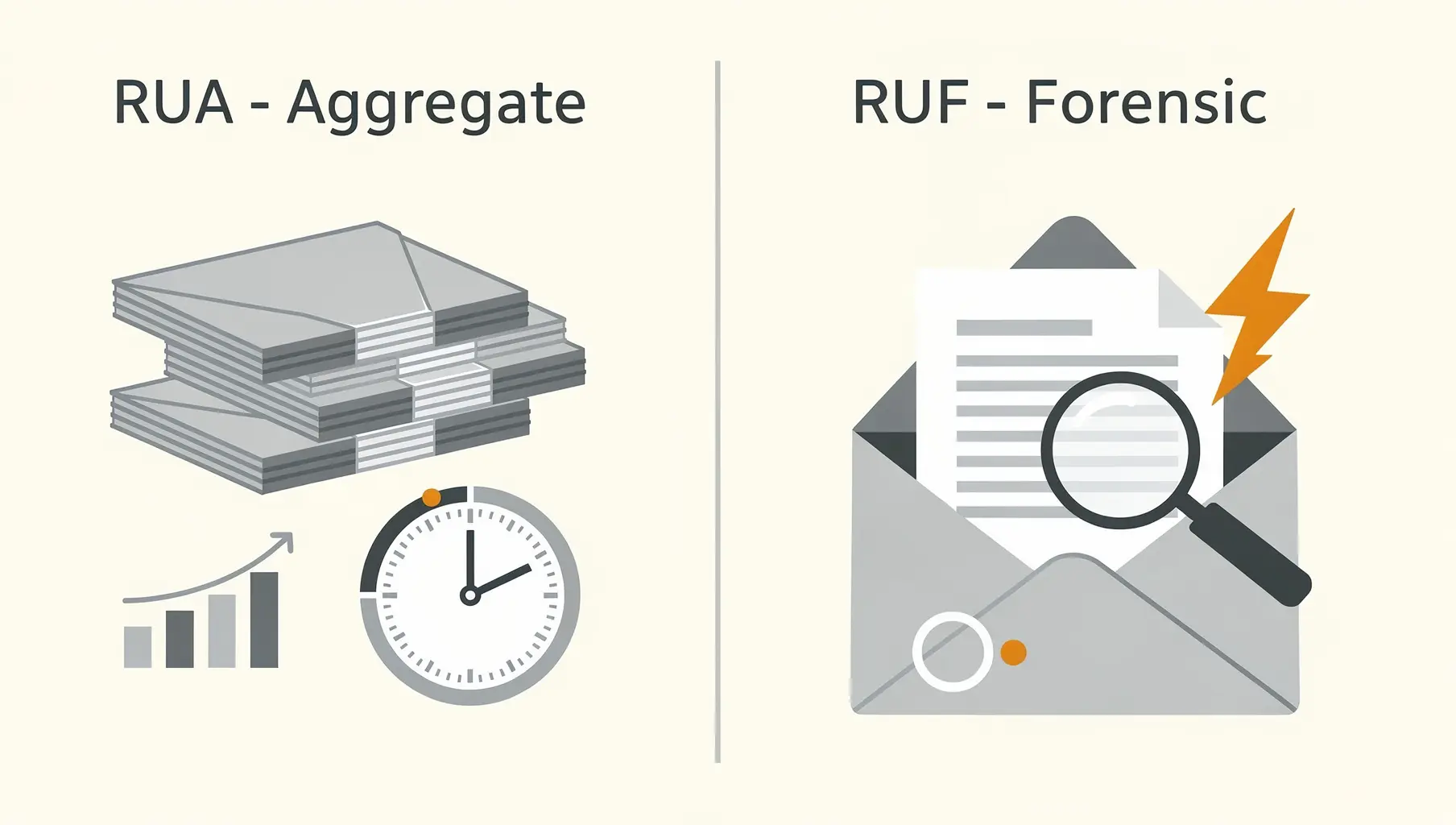
RUA vs RUF: Understanding DMARC Report Types
DMARC has two report types: RUA (aggregate) and RUF (forensic). Learn what each contains, which you need, and why most organizations only use RUA.
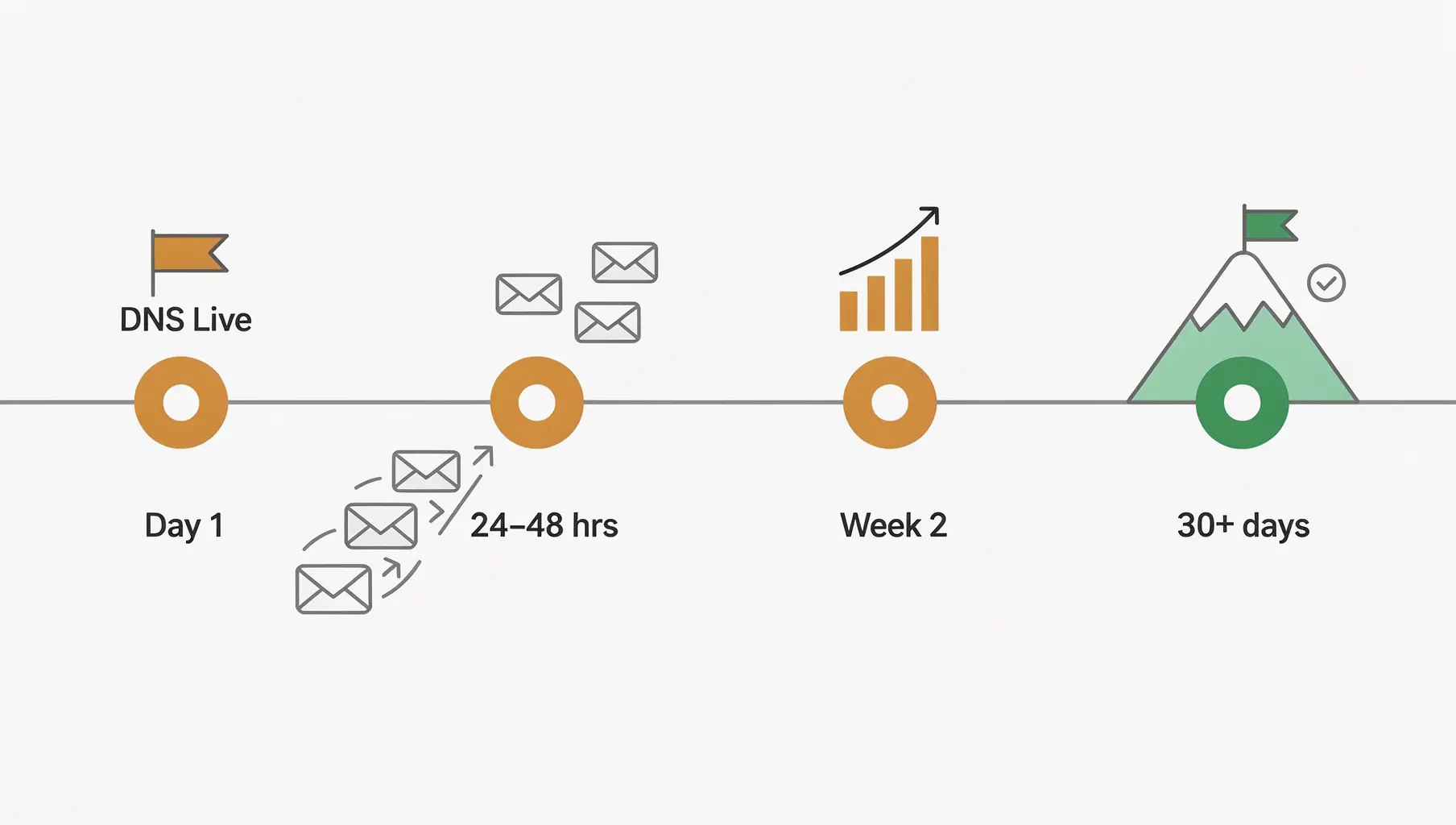
How Long Does DMARC Take to Start Working?
After setting up DMARC, when will you see reports? Learn about DNS propagation, report timing, and realistic expectations.
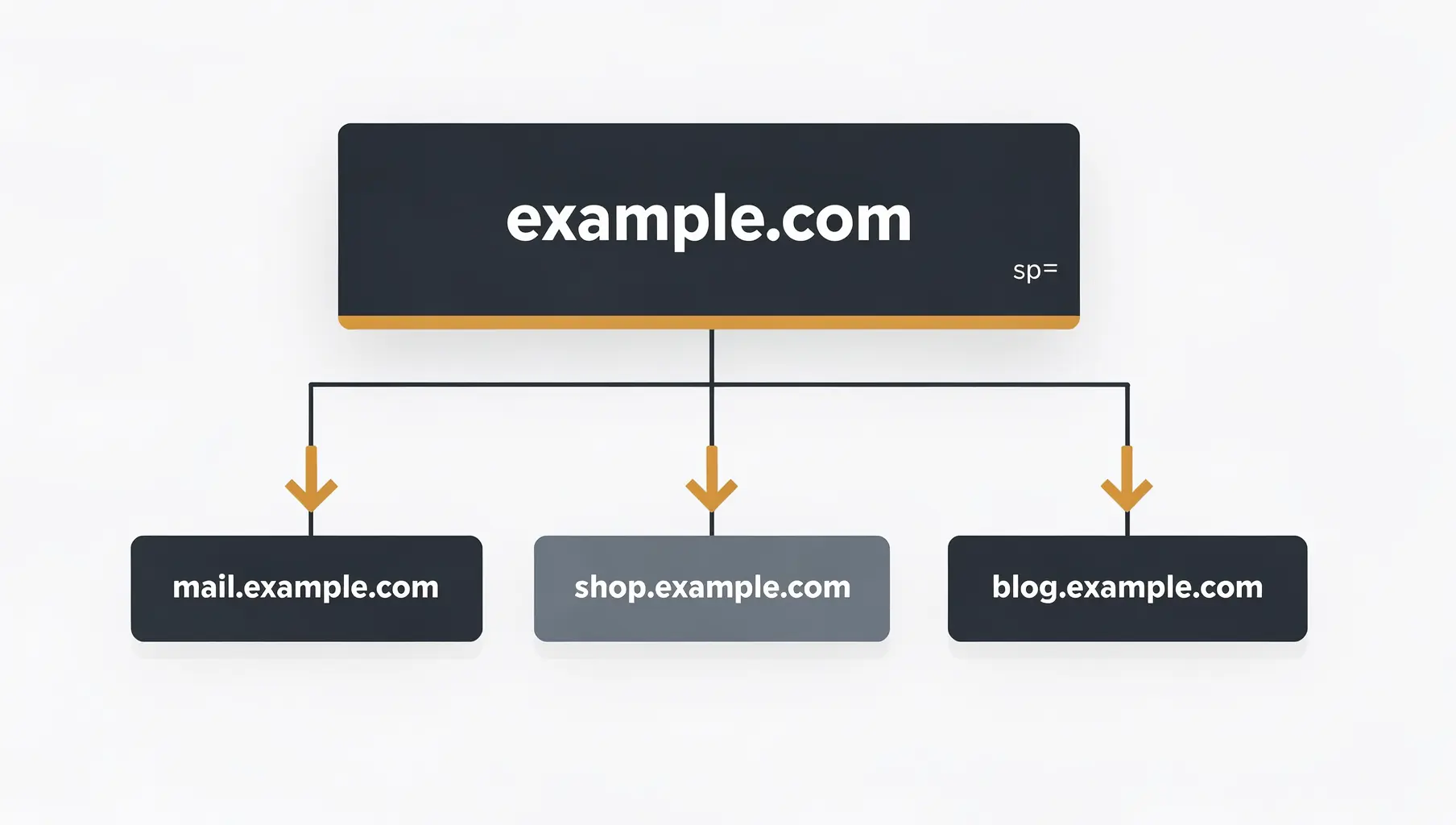
DMARC for Subdomains: Do You Need Separate Records?
Learn how DMARC handles subdomains, when you need separate records, and how to use the sp= tag to control policy.
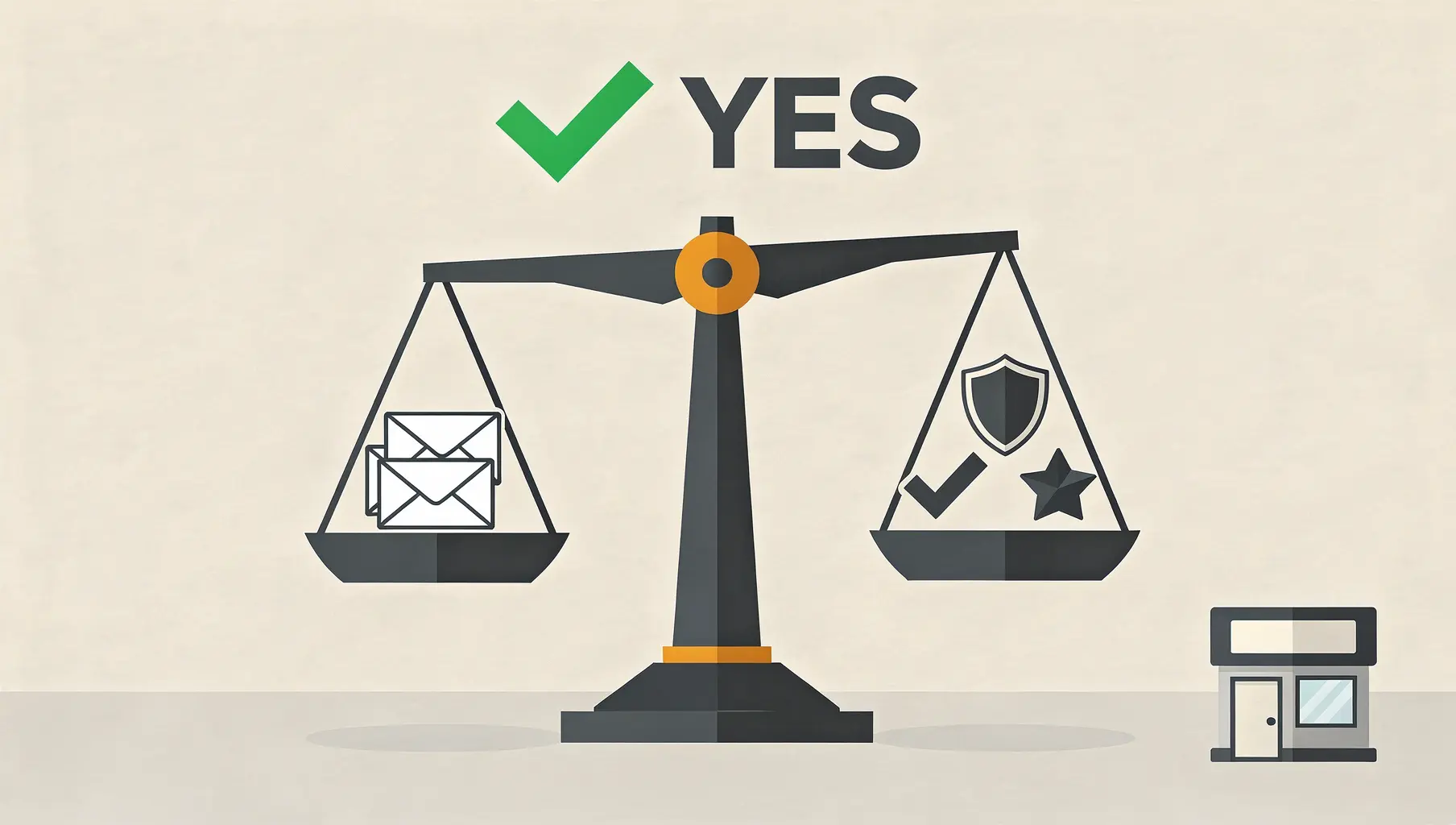
Do I Need DMARC If I Don't Send Bulk Email?
Google and Yahoo require DMARC for bulk senders. Learn why DMARC still matters for small senders and non-sending domains.
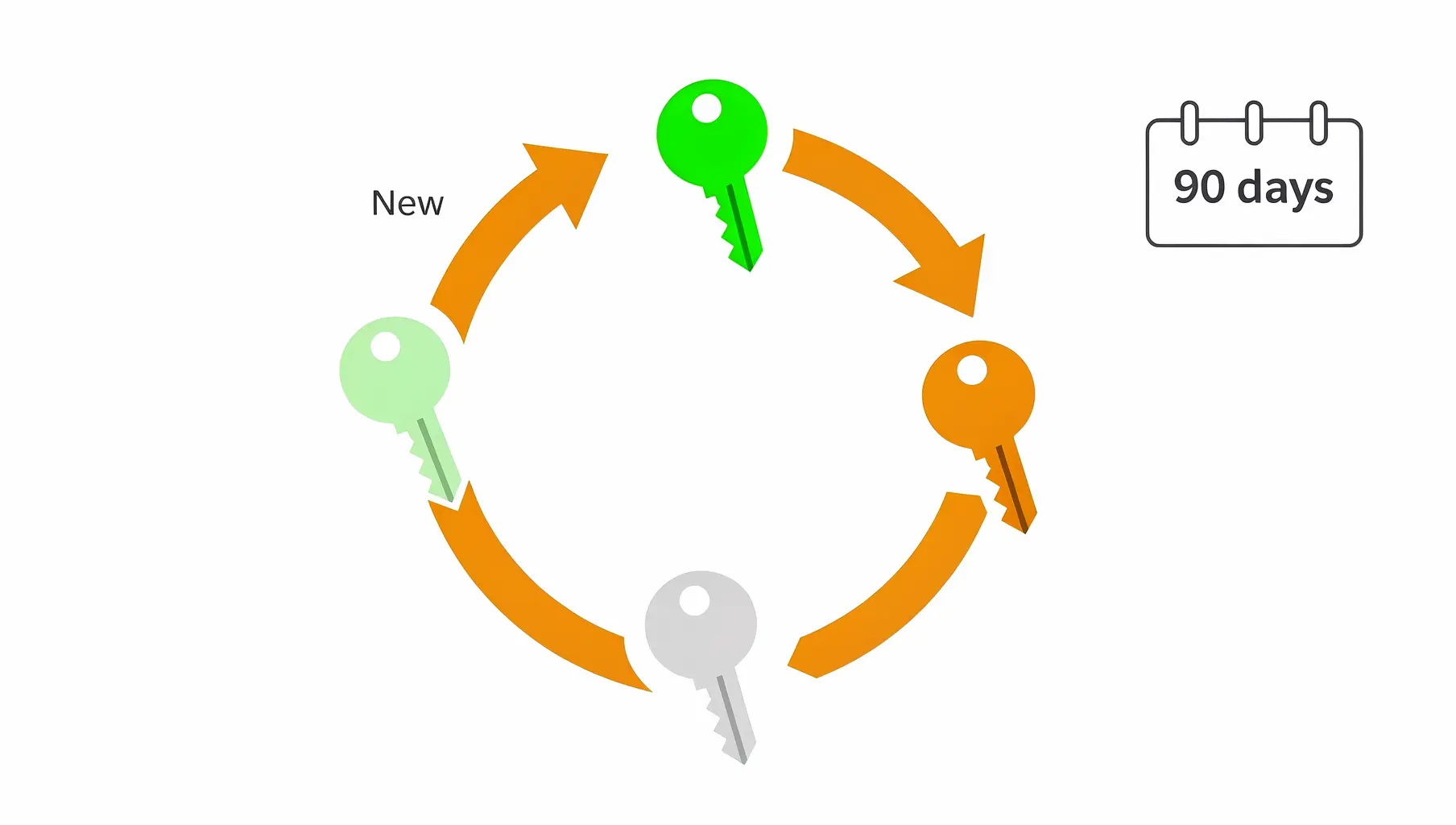
How Often Should You Rotate DKIM Keys?
DKIM key rotation improves security but requires planning. Learn rotation schedules, how to rotate safely, and when it matters.
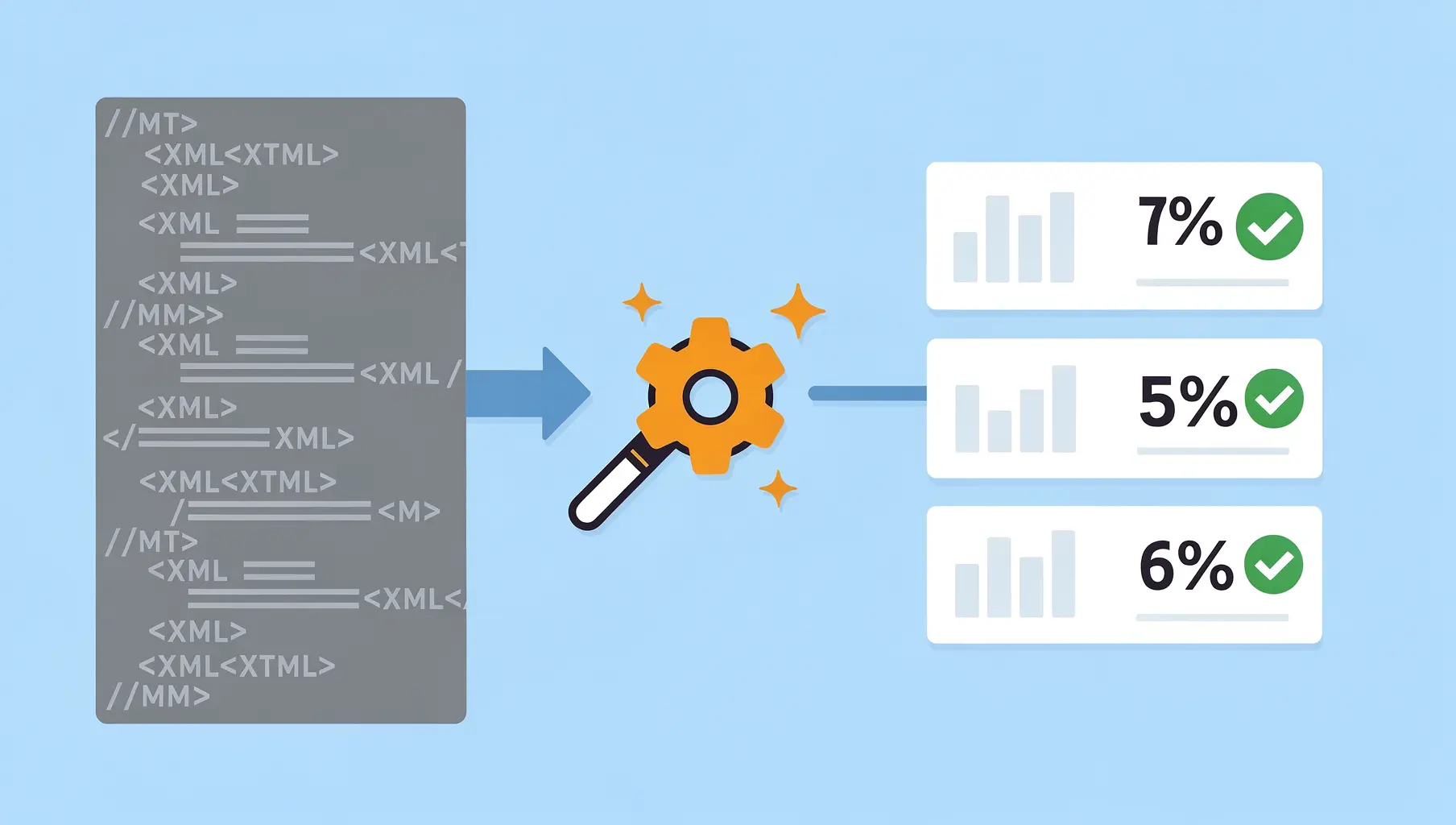
How to Read DMARC XML Reports
DMARC aggregate reports are XML files that look intimidating but follow a predictable structure. Learn to read them manually.
What Is BIMI? Brand Logos in Email Explained
BIMI displays your brand logo next to emails in supporting inboxes. Learn the requirements and whether it's worth it.
5 Common DKIM Mistakes (And How to Fix Them)
DKIM errors cause silent authentication failures. Learn common mistakes—missing records, wrong selectors, key mismatches—and fixes.
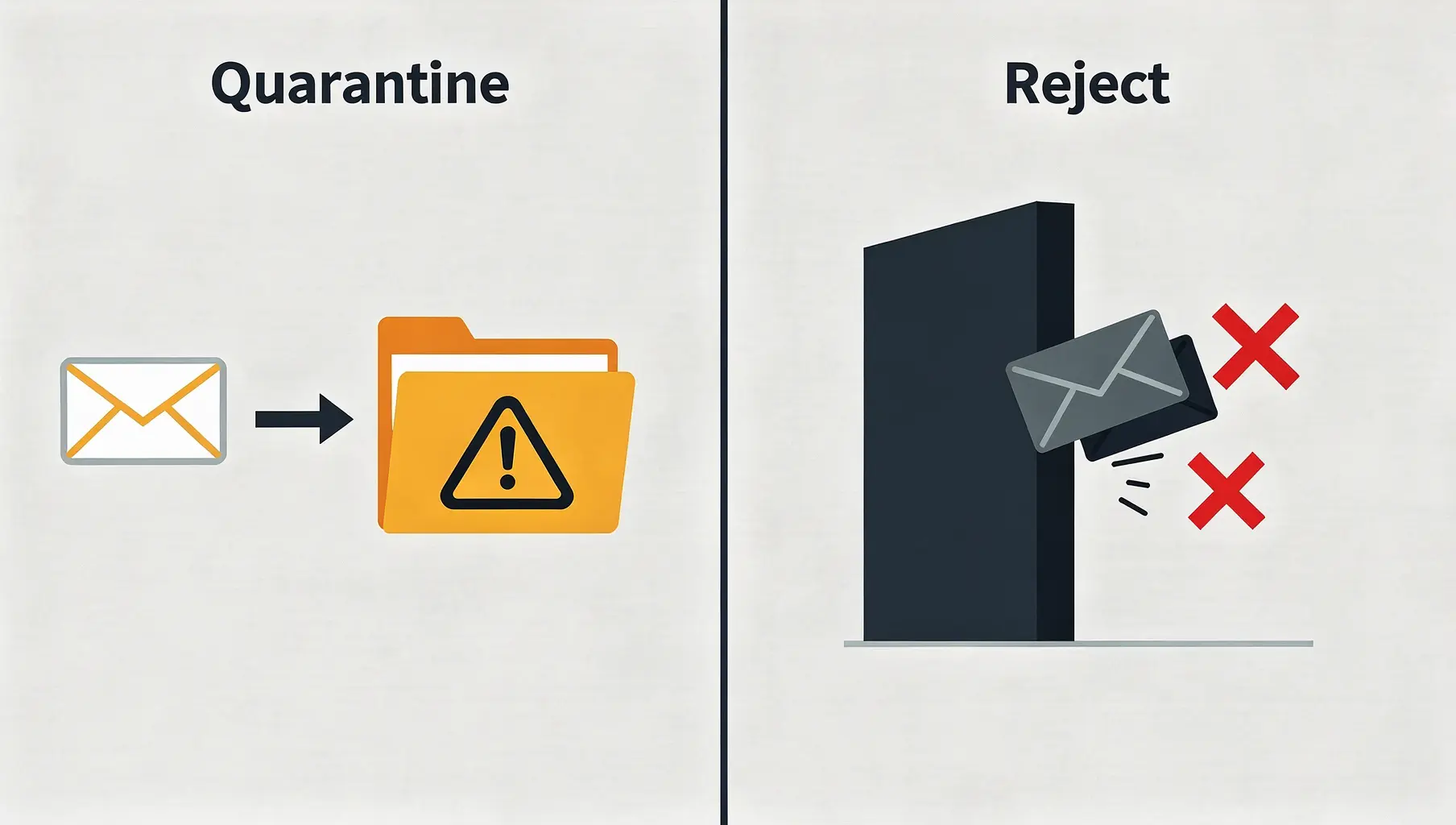
DMARC Quarantine vs Reject: When to Use Each
Both quarantine and reject enforce DMARC, but with different severity. Learn when to use each and what recipients experience.

Email Authentication for Marketing Teams
Marketing teams send the most email but don't control authentication. Learn how DMARC affects campaigns and how to work with IT.
Education
RFC 9989: The New DMARC Standard, Explained
DMARC is now an Internet Standard. RFC 9989 obsoletes RFC 7489: a DNS Tree Walk replaces the PSL, the pct tag is removed, and more. Here's what changed.
Read article →DMARC Alignment Explained Simply
DMARC alignment determines whether SPF and DKIM results count. Learn relaxed vs strict alignment and when each matters.
Read article →p=none vs p=quarantine vs p=reject: Which to Use
The three DMARC policies control what happens to failing email. Learn when to use each and how to safely progress to enforcement.
Read article →Third-Party Senders and DMARC: The Complete Guide
ESPs, CRMs, and marketing platforms send as your domain. Learn how to configure DMARC for third-party senders properly.
Read article →SPF Softfail vs Hardfail: Which Should You Use?
~all (softfail) vs -all (hardfail) determines how strictly receivers treat SPF failures. Learn which to use and when to switch from softfail to hardfail.
Read article →RUA vs RUF: Understanding DMARC Report Types
DMARC has two report types: RUA (aggregate) and RUF (forensic). Learn what each contains, which you need, and why most organizations only use RUA.
Read article →How Long Does DMARC Take to Start Working?
After setting up DMARC, when will you see reports? Learn about DNS propagation, report timing, and realistic expectations.
Read article →DMARC for Subdomains: Do You Need Separate Records?
Learn how DMARC handles subdomains, when you need separate records, and how to use the sp= tag to control policy.
Read article →Do I Need DMARC If I Don't Send Bulk Email?
Google and Yahoo require DMARC for bulk senders. Learn why DMARC still matters for small senders and non-sending domains.
Read article →What Is BIMI? Brand Logos in Email Explained
BIMI displays your brand logo next to emails in supporting inboxes. Learn the requirements and whether it's worth it.
Read article →DMARC Quarantine vs Reject: When to Use Each
Both quarantine and reject enforce DMARC, but with different severity. Learn when to use each and what recipients experience.
Read article →Email Authentication for Marketing Teams
Marketing teams send the most email but don't control authentication. Learn how DMARC affects campaigns and how to work with IT.
Read article →How-To Guides
How to Ask Your ESP to Fix DKIM (With Templates)
Getting ESP support to help with DKIM is frustrating. Here's how to communicate clearly and get faster resolution.
Read article →How to Flatten Your SPF Record (And When You Should)
SPF flattening replaces includes with IPs to avoid the 10 lookup limit. Learn how it works and whether it's right for you.
Read article →How Often Should You Rotate DKIM Keys?
DKIM key rotation improves security but requires planning. Learn rotation schedules, how to rotate safely, and when it matters.
Read article →How to Read DMARC XML Reports
DMARC aggregate reports are XML files that look intimidating but follow a predictable structure. Learn to read them manually.
Read article →Troubleshooting
DMARC Record Not Found: Causes and How to Fix It
Fix 'no DMARC record found' errors. Covers DNS issues, syntax errors, propagation delays, and external domain permissions.
Read article →Why Cloudflare Says Your DMARC Record is Missing
Your DMARC record exists but Cloudflare's Security Center says it's missing. Here's what's happening and how to verify your setup.
Read article →The SPF 10 DNS Lookup Limit Explained
SPF records are limited to 10 DNS lookups. Learn why this limit exists, how to check your lookup count, and how to fix SPF permerror when you exceed it.
Read article →Why Email Forwarding Breaks DMARC
Email forwarding is the most common cause of legitimate DMARC failures. Learn why it happens and how to handle it.
Read article →Why Am I Not Receiving DMARC Reports?
Set up DMARC but no reports are arriving? Here are the most common reasons and how to fix them, from DNS propagation delays to RUA configuration issues.
Read article →What Does SPF Permerror Mean? (And How to Fix It)
SPF permerror means your record has a permanent error. Learn the common causes—syntax errors, too many lookups—and fixes.
Read article →Can I Have Two SPF Records? (No, and Here's Why)
Multiple SPF records cause authentication failures. Learn why, how to check for duplicates, and how to merge them correctly.
Read article →5 Common DKIM Mistakes (And How to Fix Them)
DKIM errors cause silent authentication failures. Learn common mistakes—missing records, wrong selectors, key mismatches—and fixes.
Read article →Other
Why 95% of Domains Never Reach DMARC Enforcement
80% of domains with DMARC never reach enforcement. Here is why they stall at p=none, what data triggers an advance, and how to break out of monitoring mode.
Read article →The Hidden Cost of Staying at p=none
What weak email authentication is actually costing your business — phishing risk, brand damage, deliverability hits, and the deferred cost of staying at p=none.
Read article →Google & Yahoo Bulk Sender Rules 2026
Google and Yahoo now require SPF, DKIM, and DMARC for bulk senders. Here's what the requirements actually mean, how enforcement works, and what to do about it.
Read article →Put this knowledge into practice
Verkh helps you monitor your DMARC deployment and reach enforcement faster.
Start Free